

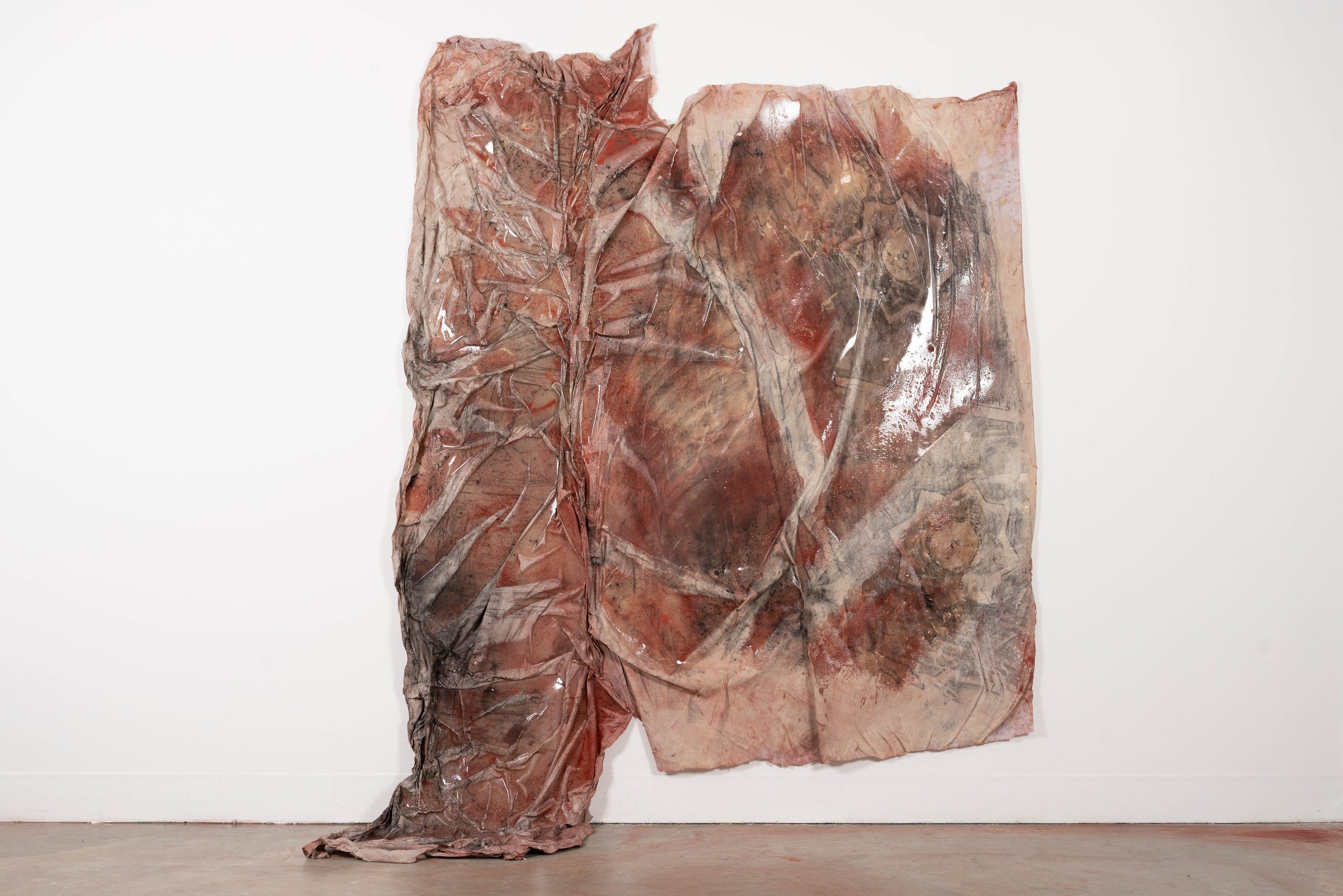
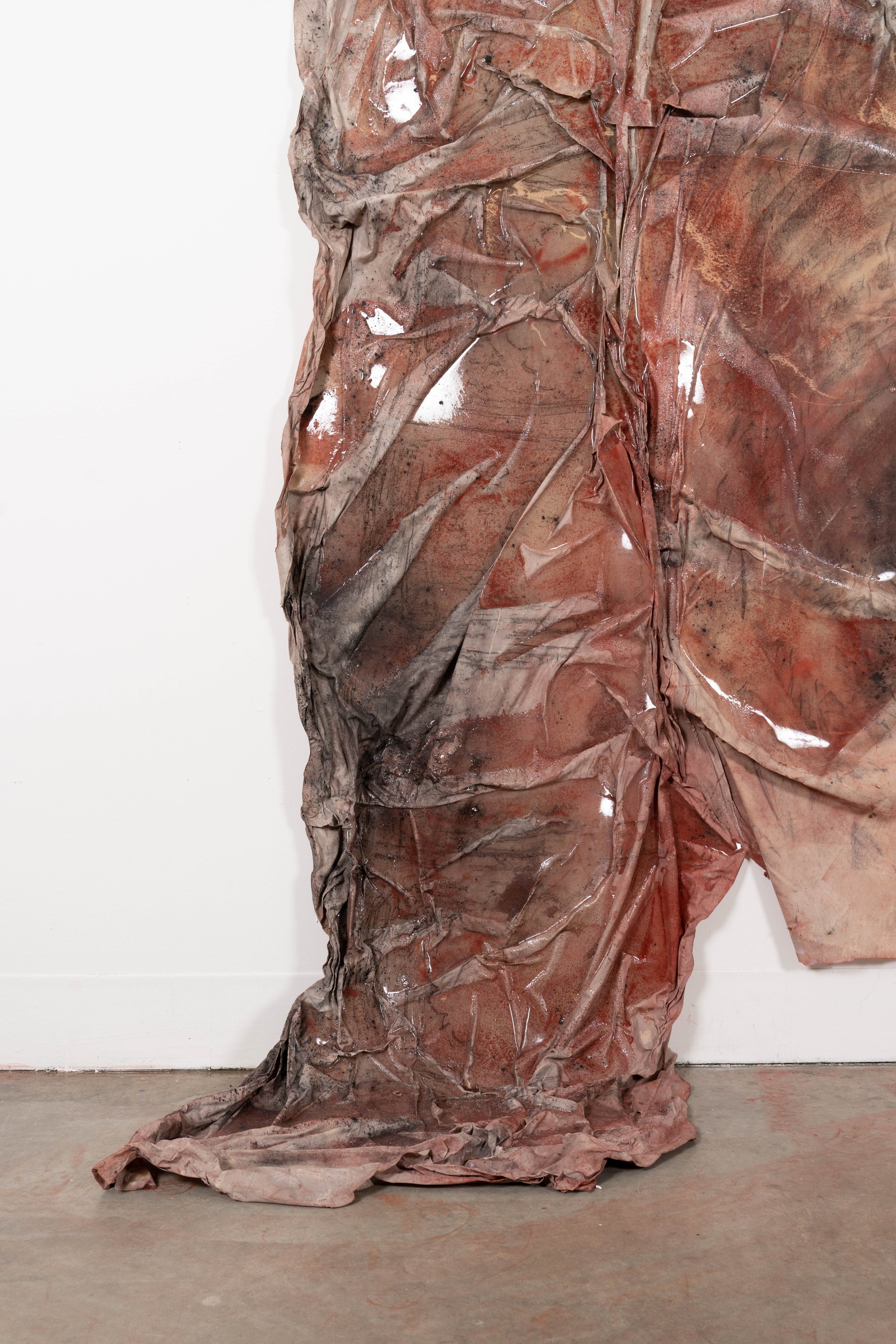
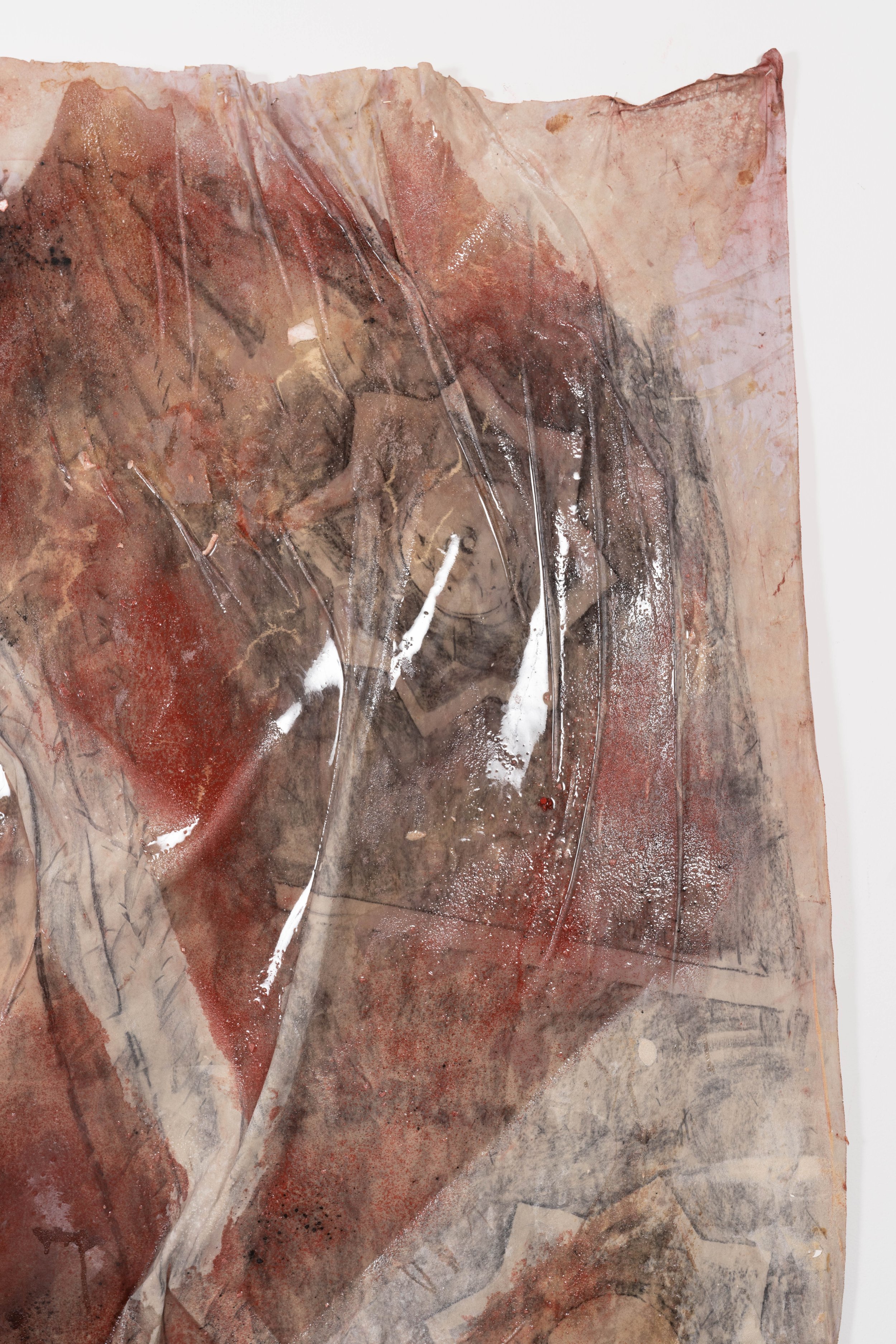
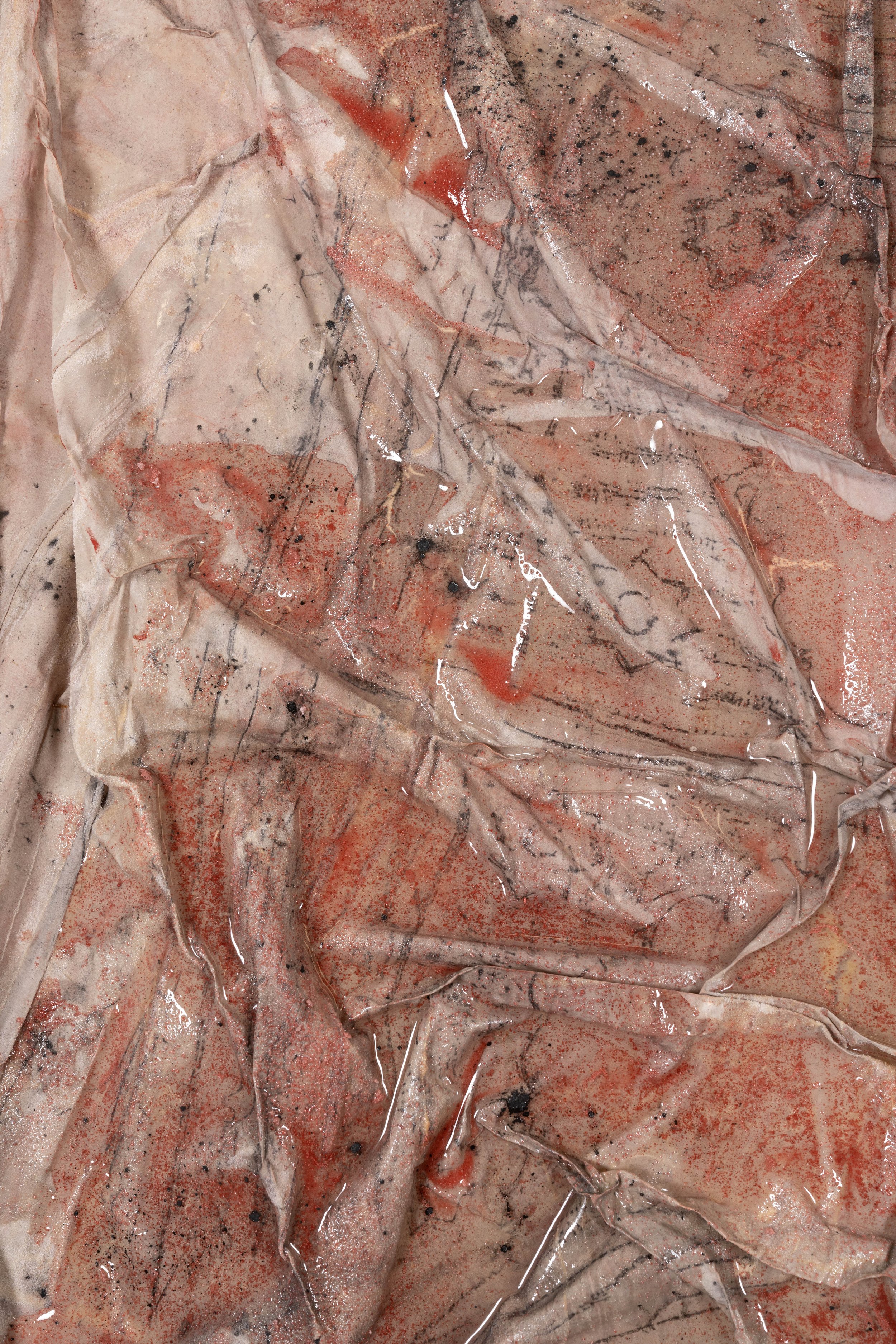
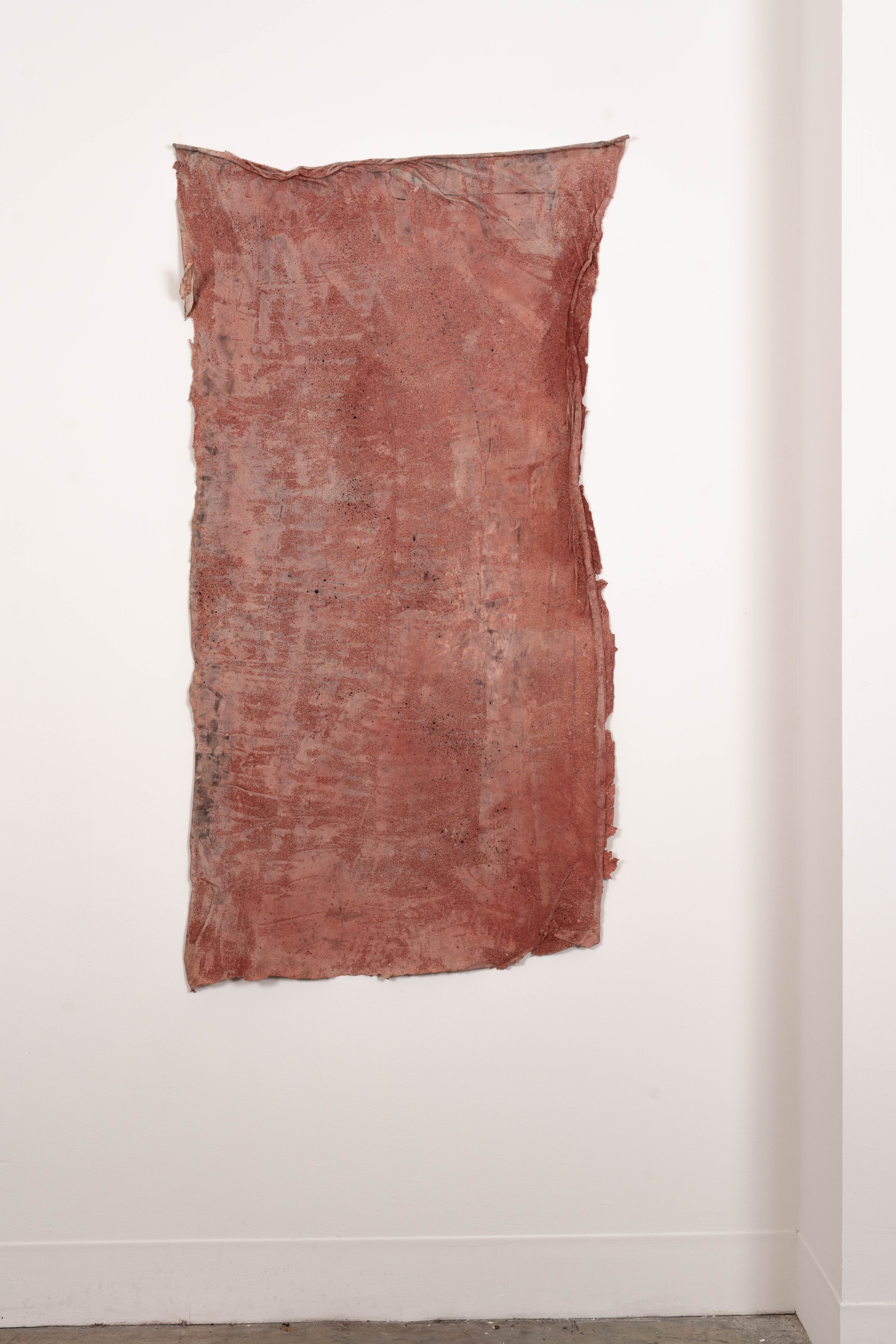
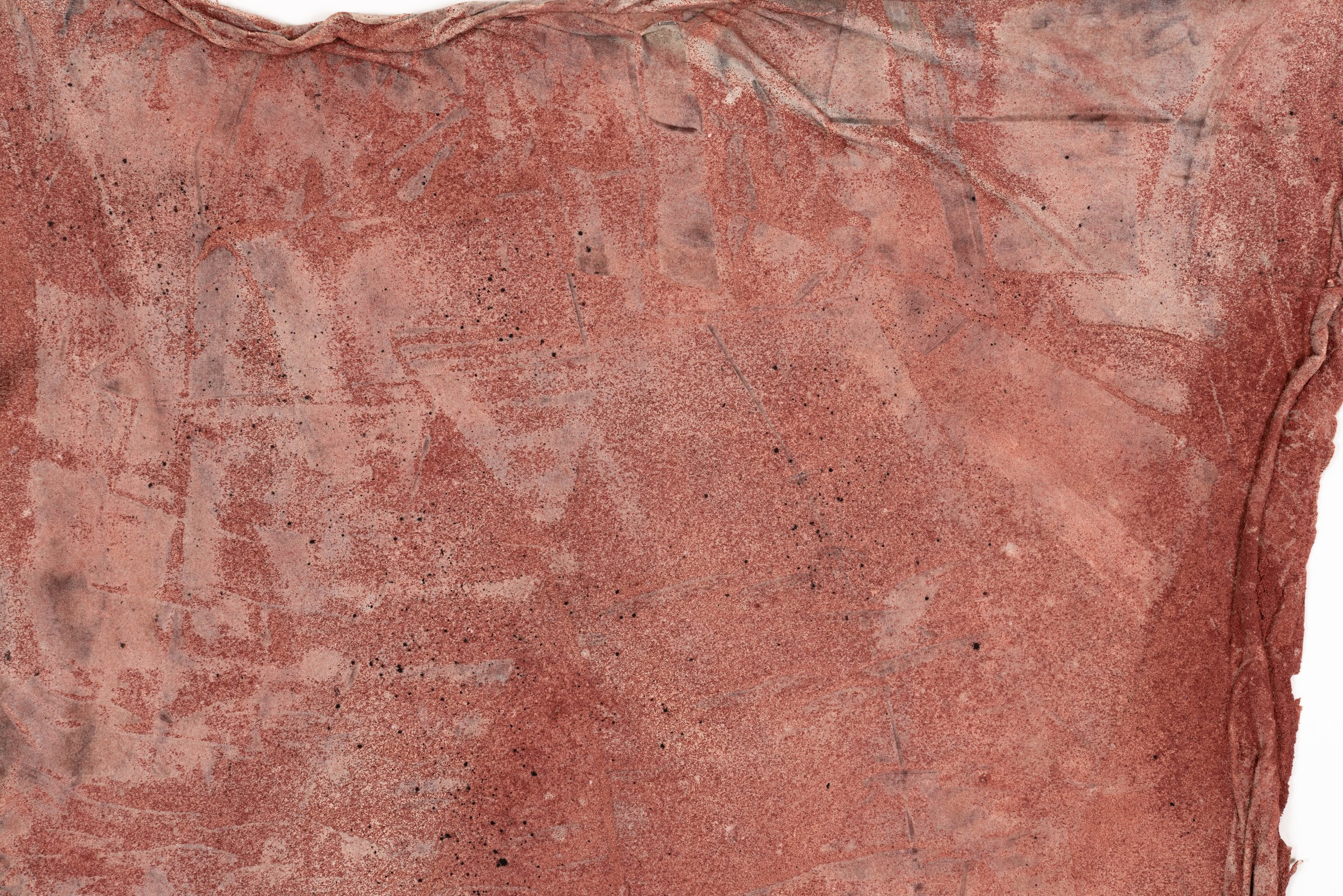
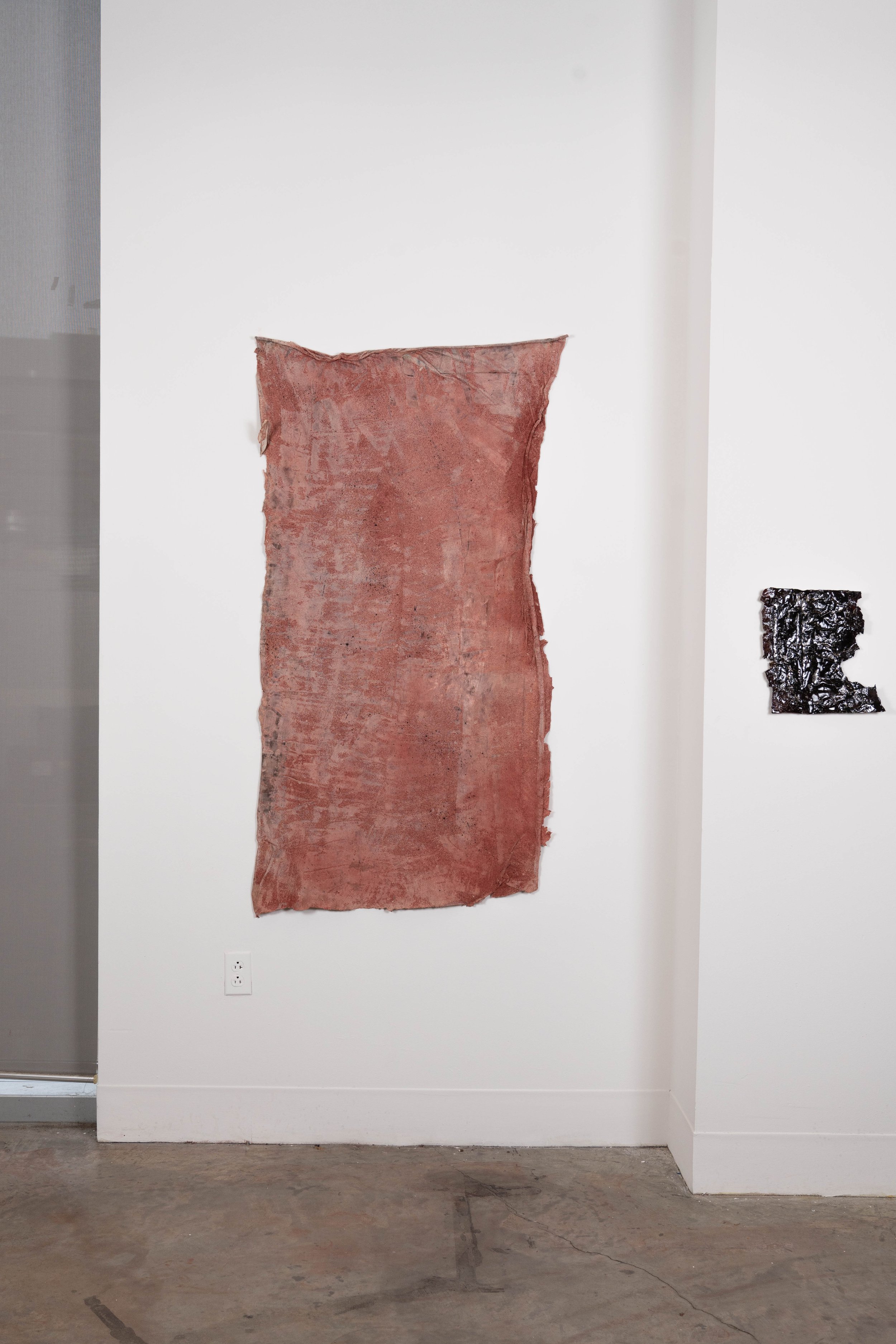
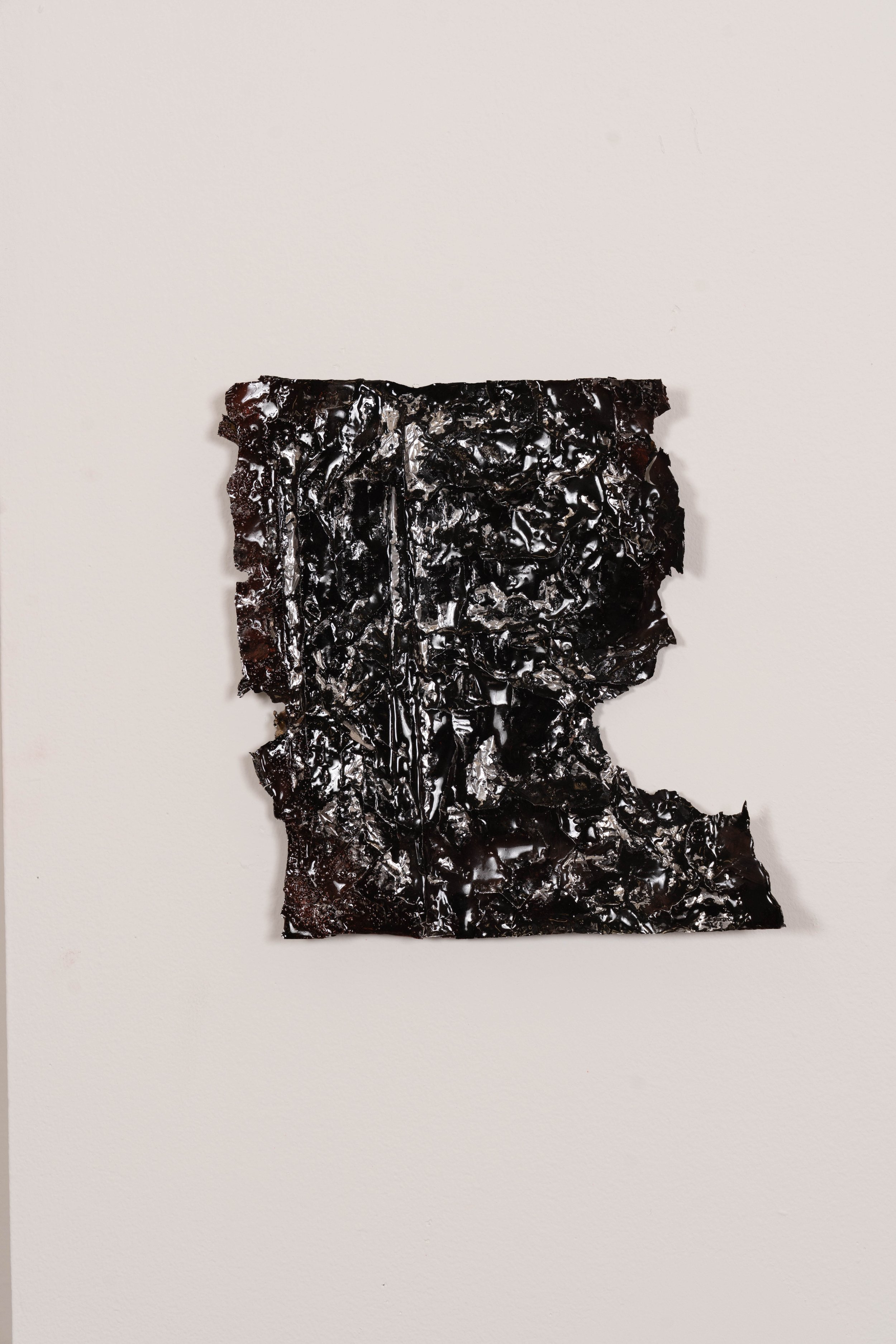
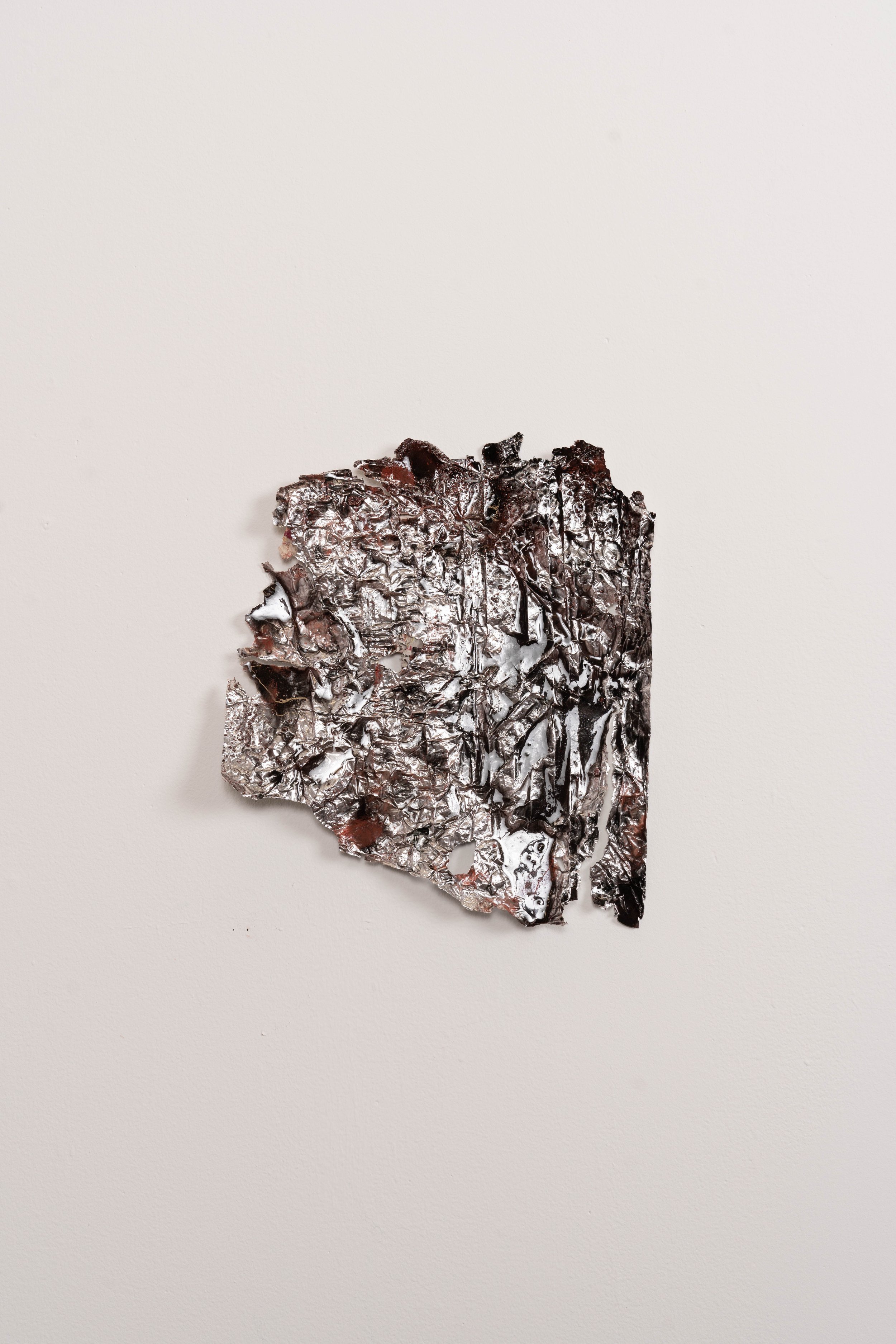
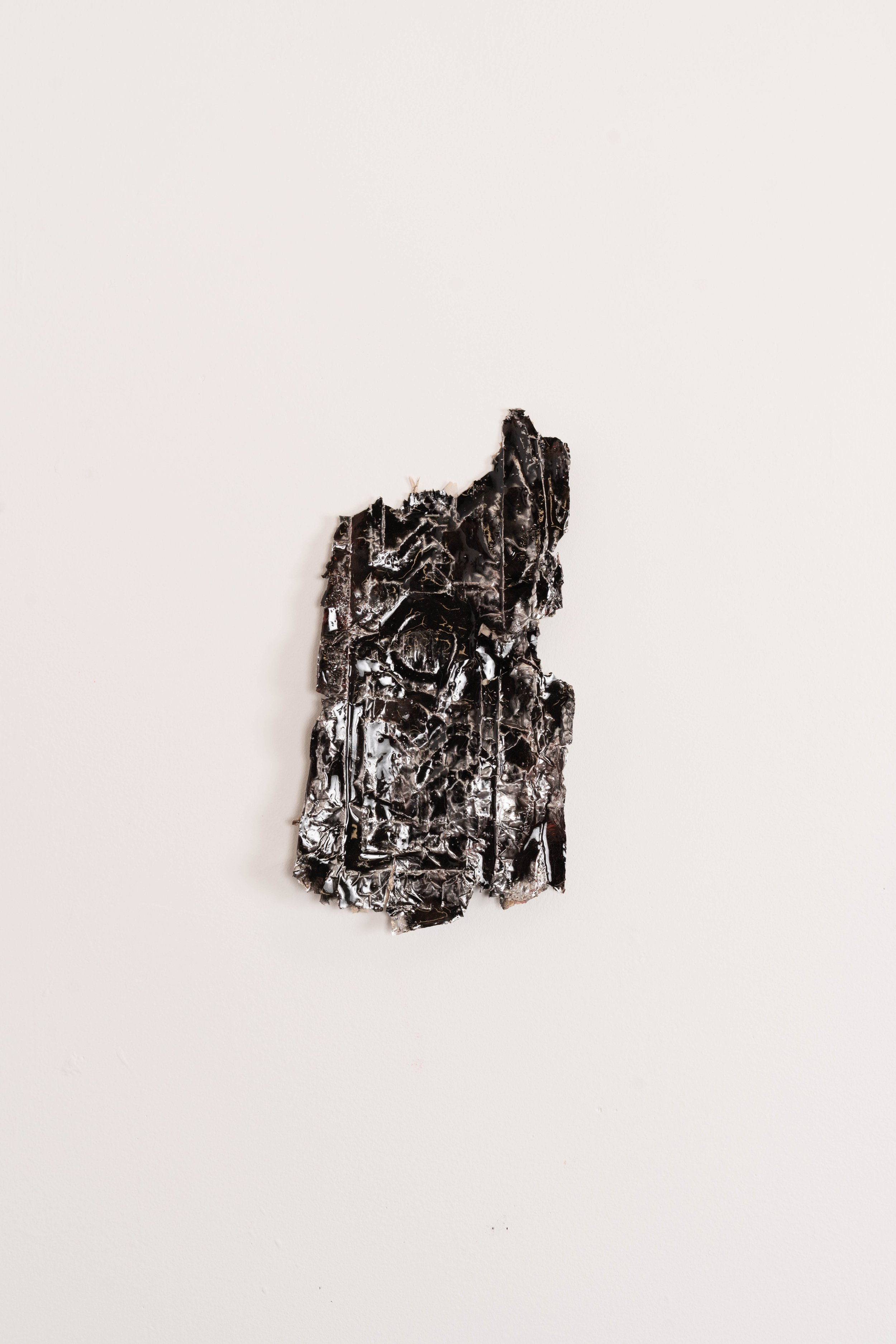
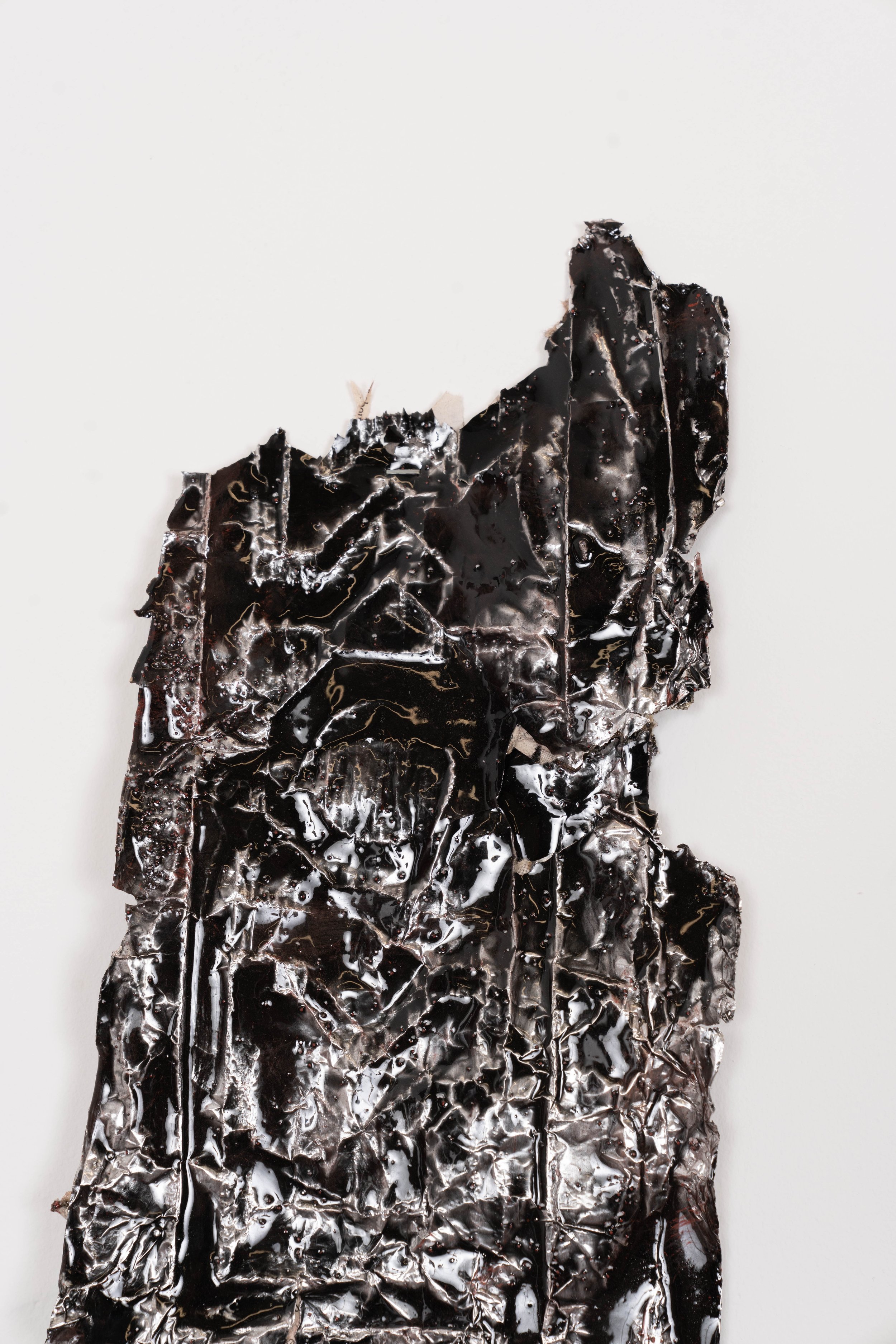
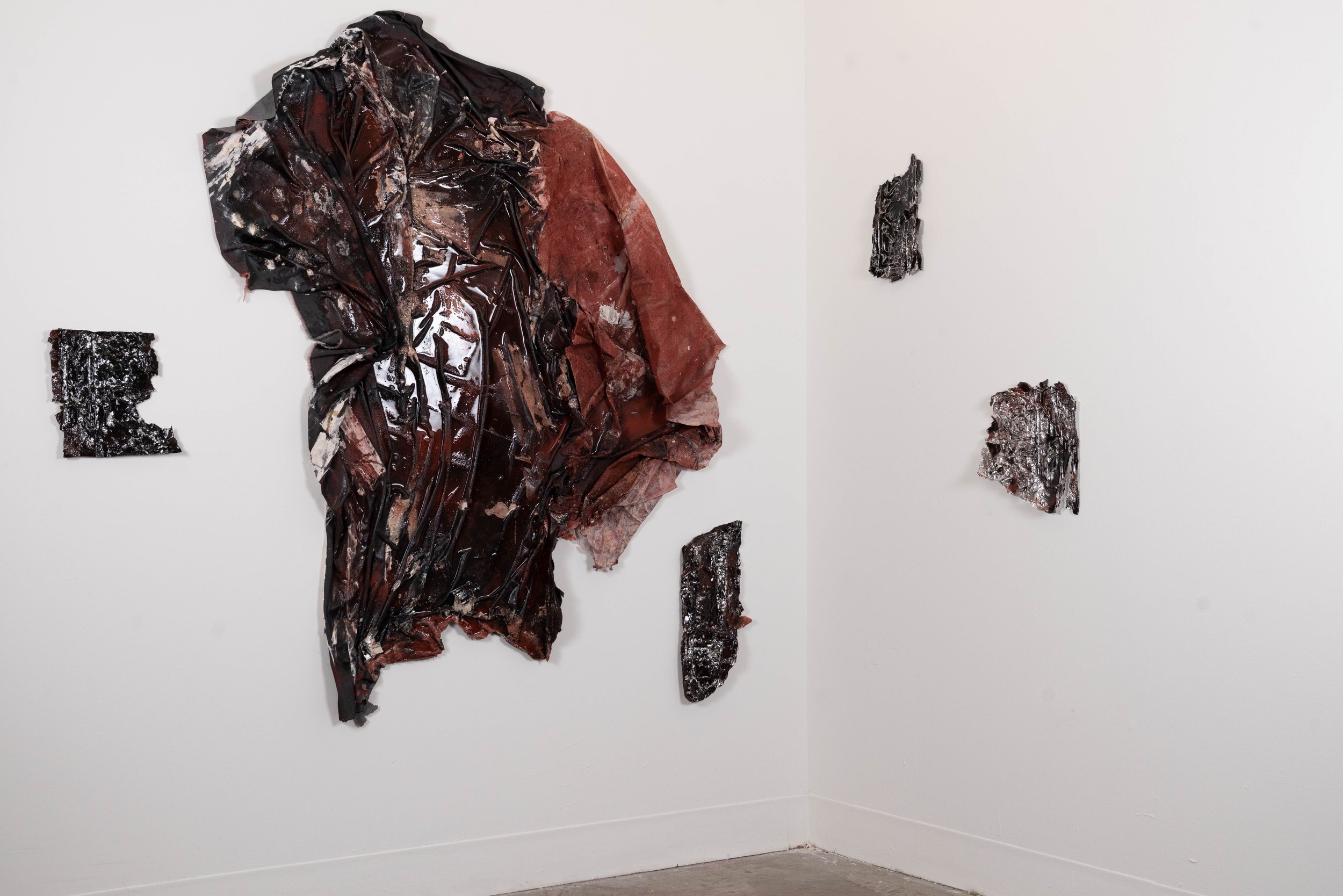
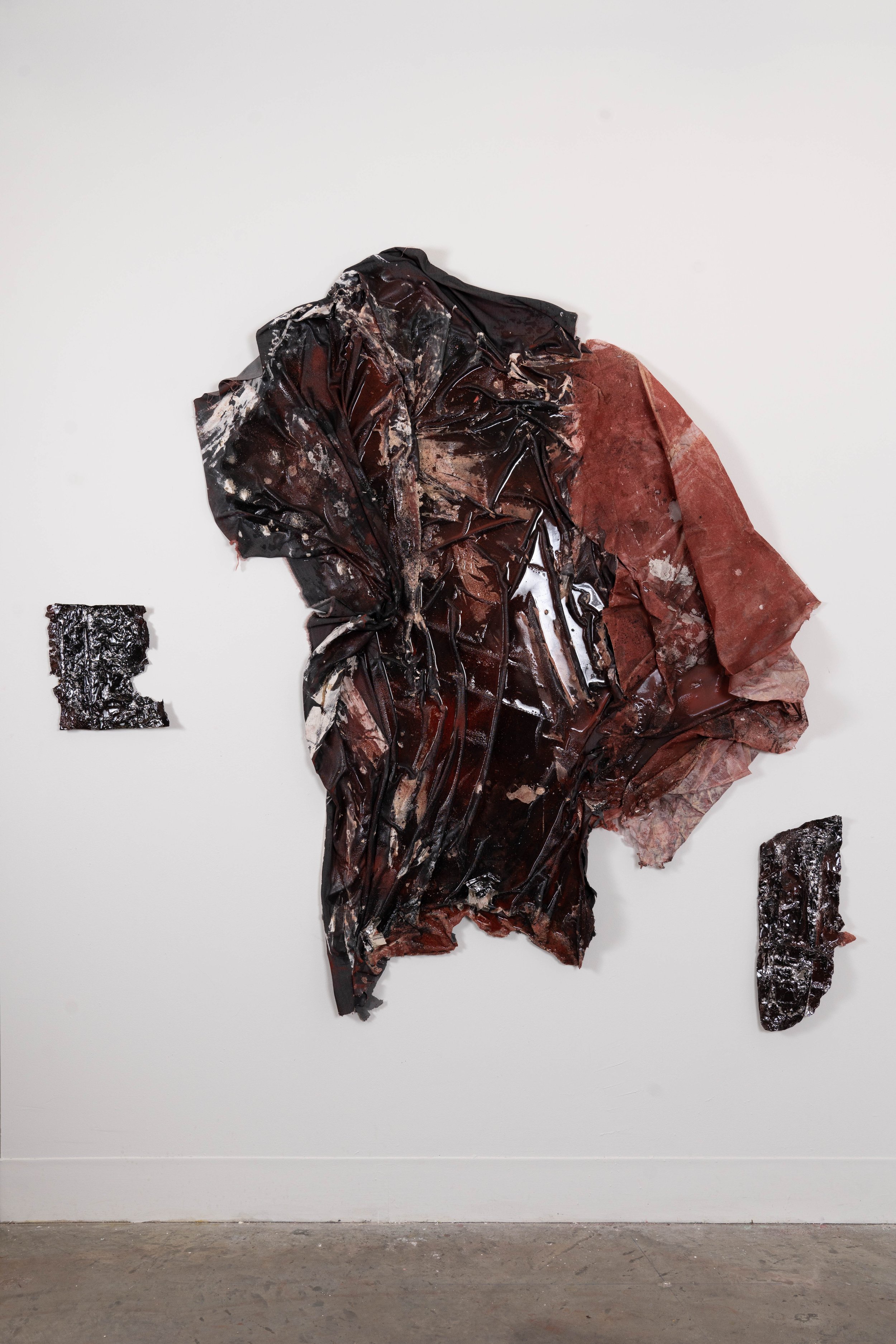
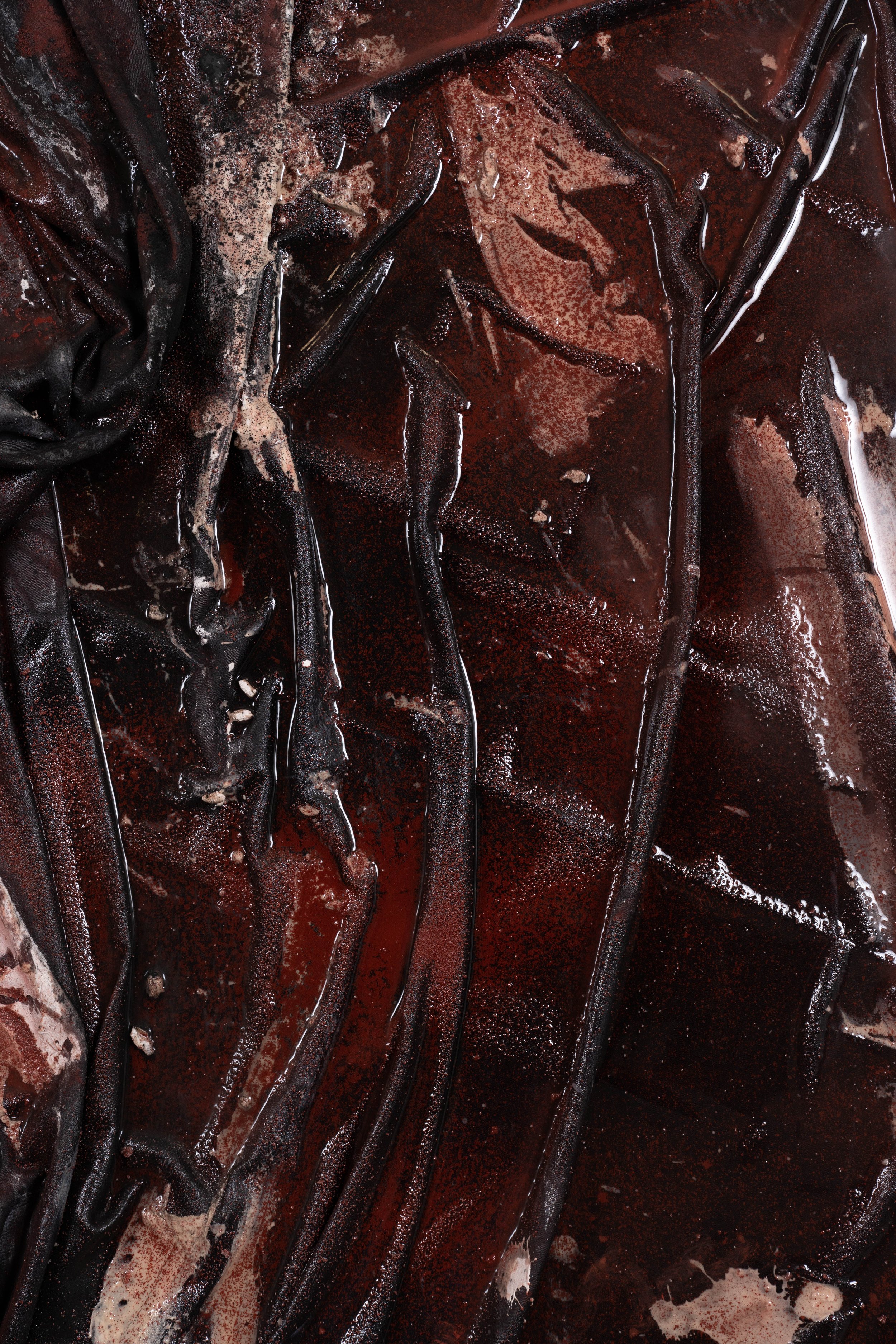
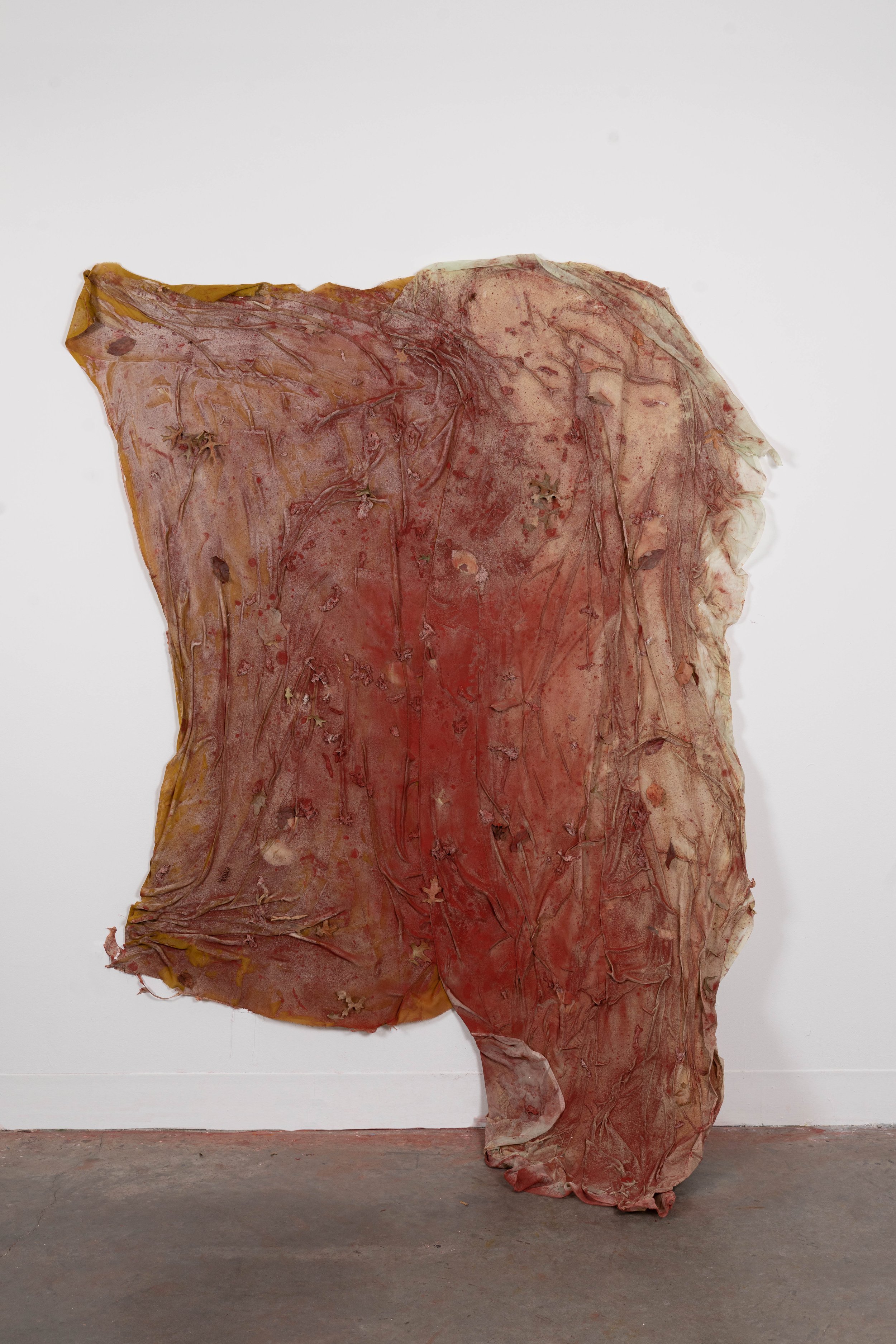
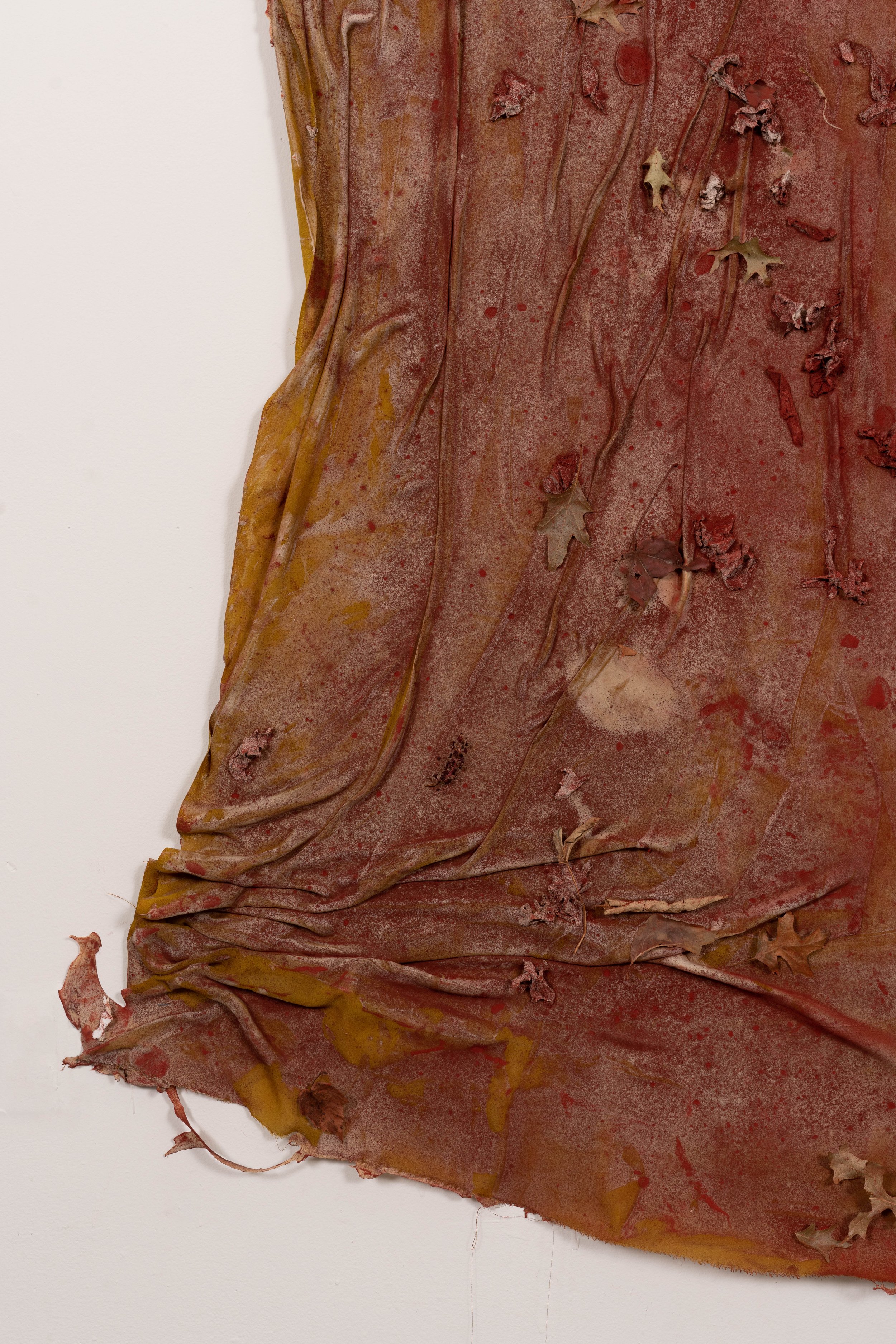
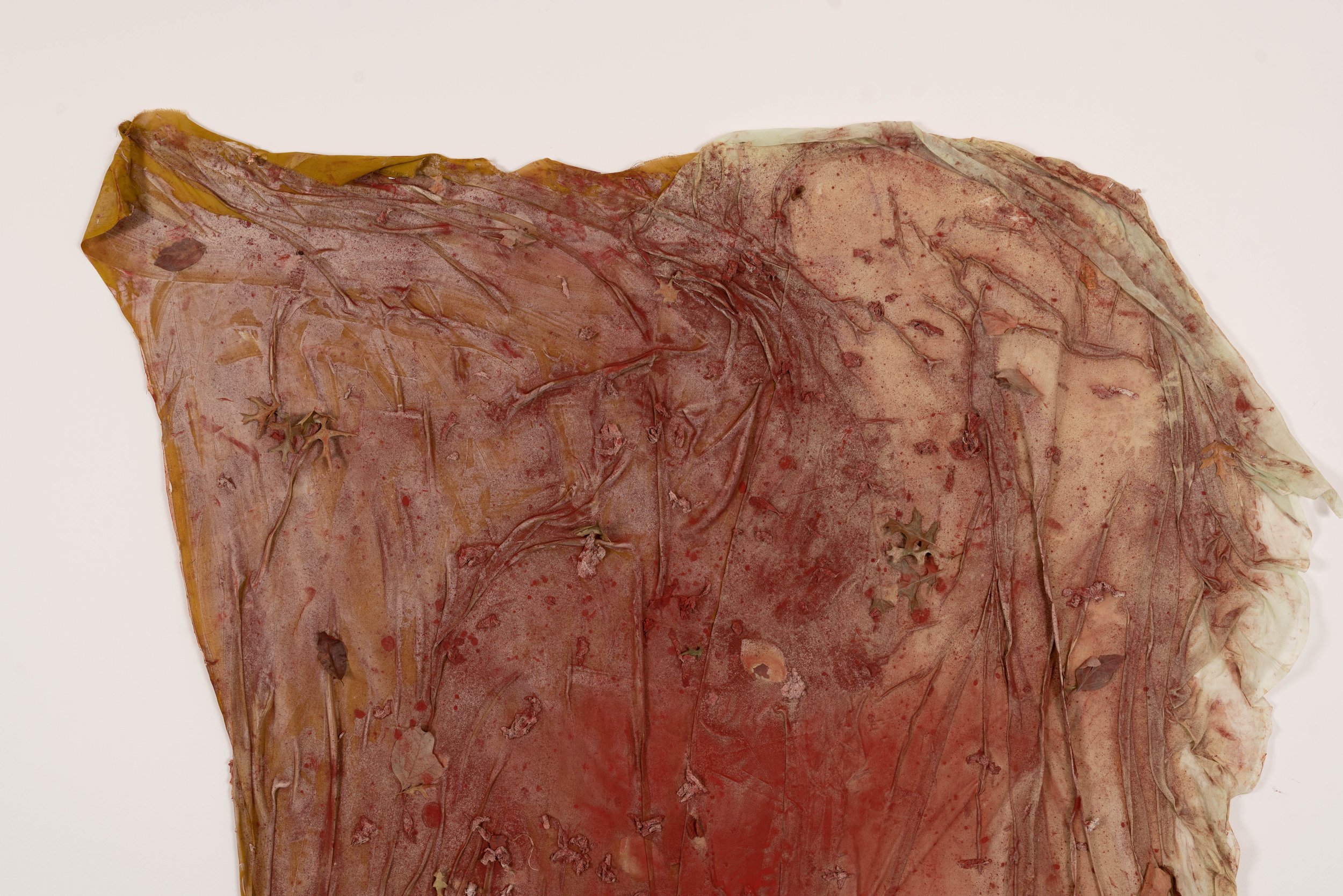
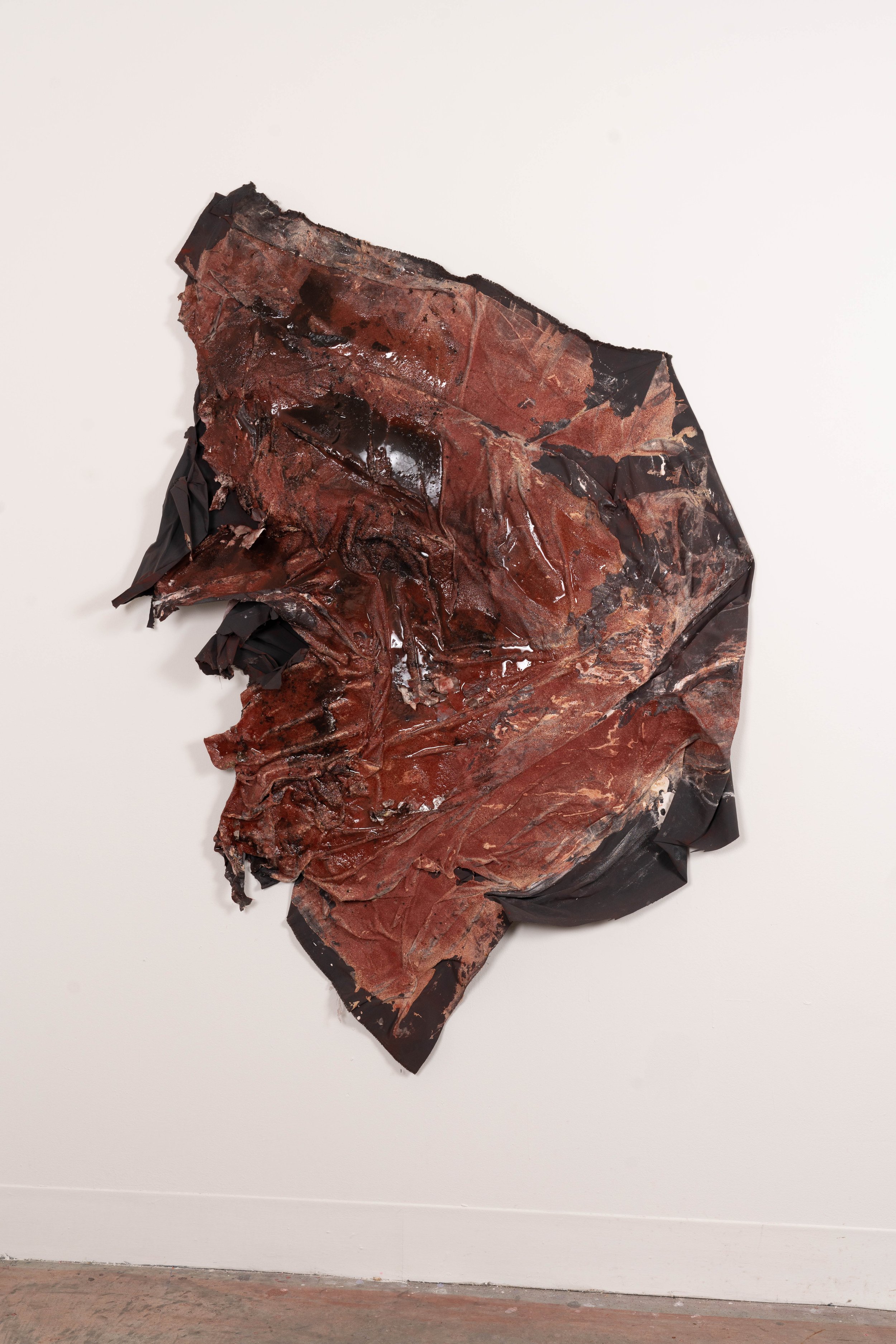
Scroll and Key, 2019
Shown at Yale School of art open studios, new haven, usa.
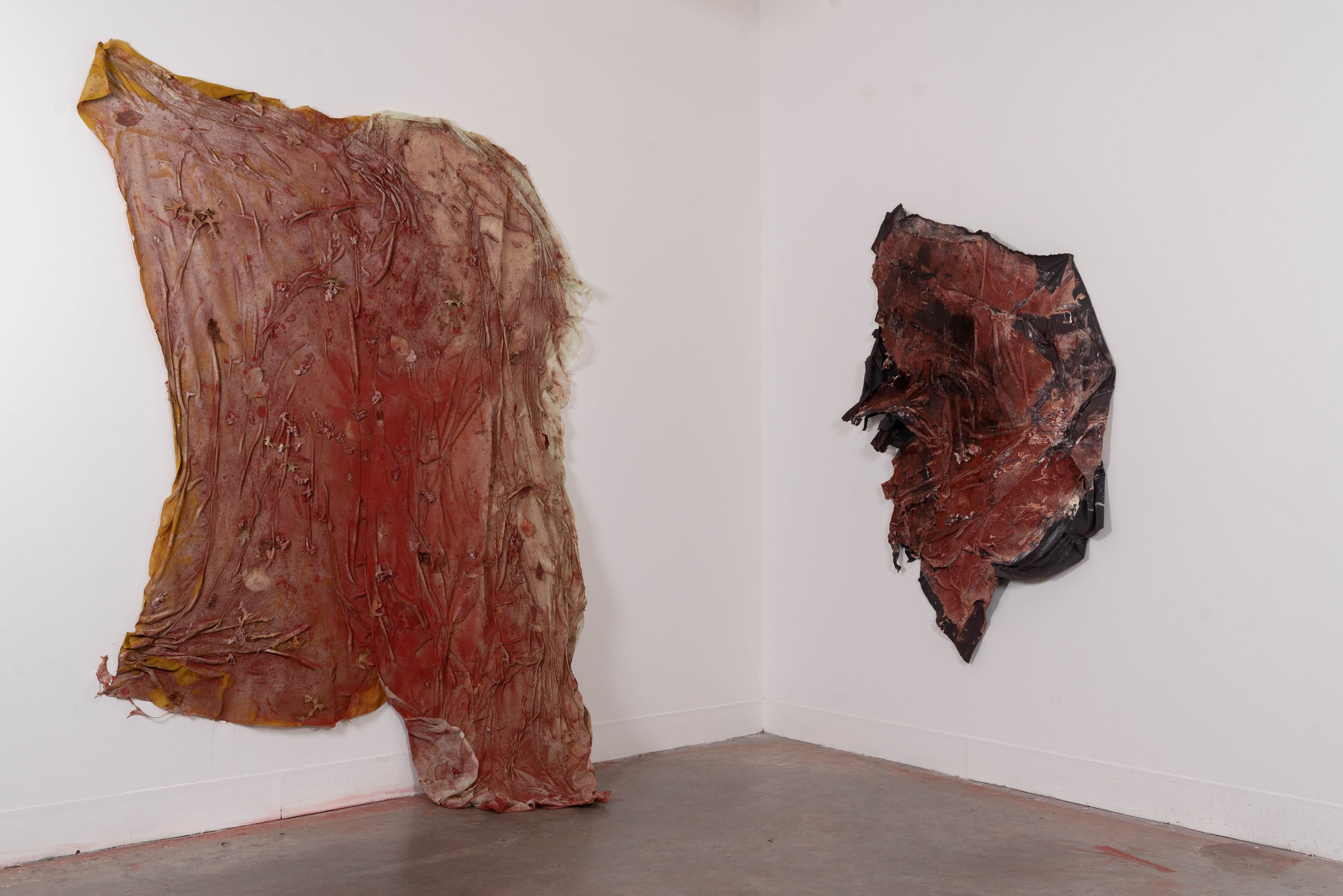
This body of work Nasser examines the formation of the American nation-state through the visual languages it has appropriated in order to construct authority, secrecy, and legitimacy within institutional space. Moving through architecture, ornament, and material trace, the series considers how symbols borrowed from elsewhere are redeployed to naturalize power, embedding geopolitical histories into the surfaces of elite American institutions.
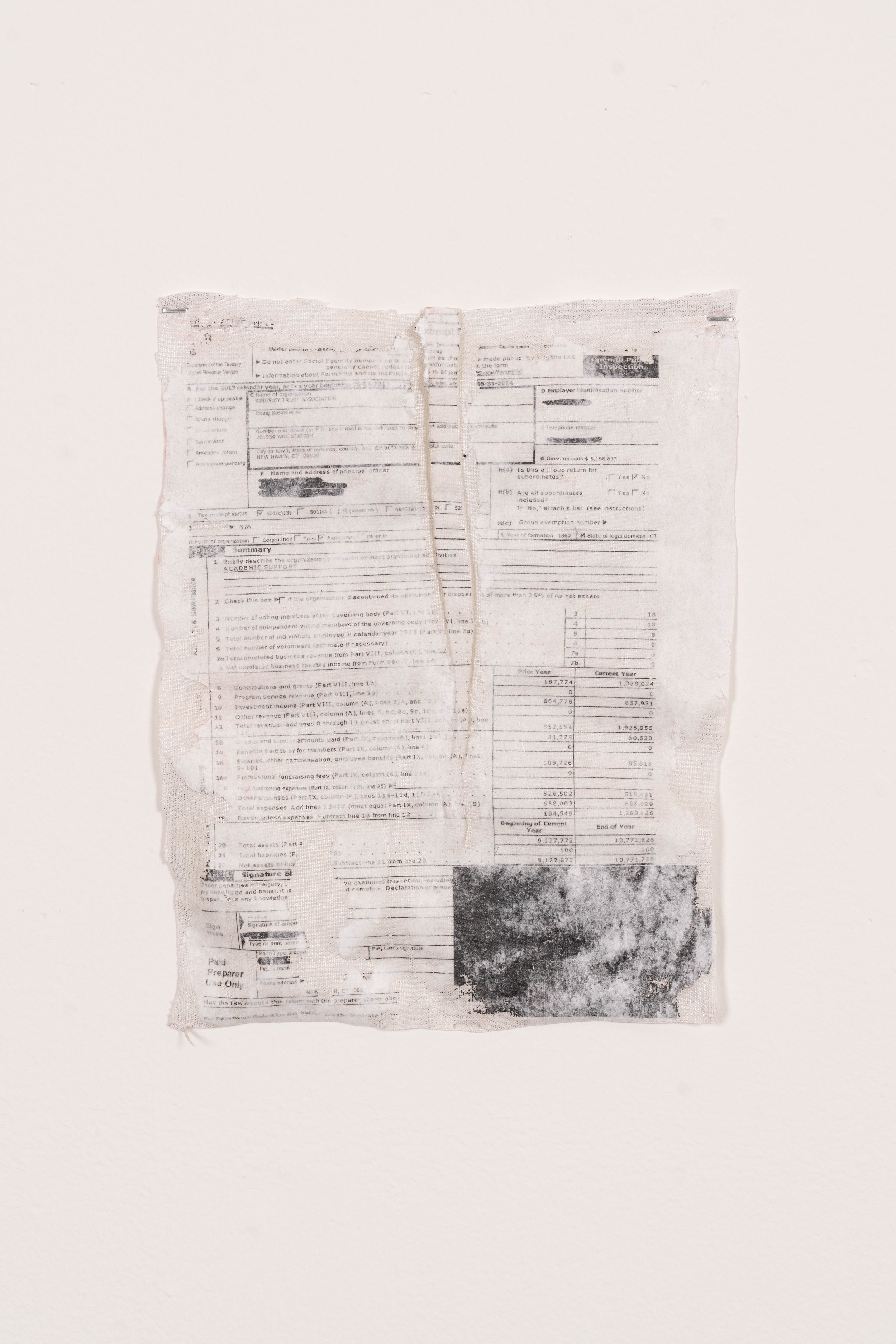
At the center of the project is Skull and Bones, the secret society founded at Yale University in the nineteenth century, and its headquarters, commonly referred to as “the Tomb”, a building whose severe monumentality conceals a complex history of symbolic citation. The Tomb, designed in 1870 by Richard Morris Hunt, occupies a charged position within the campus: at once an architectural emblem of exclusivity, a social apparatus of elite continuity, and an institutional entity embedded within the financial structures of the university through tax-exempt status and landholding. In this context, architecture becomes not merely backdrop but an active instrument in the performance of authority.
Hunt’s design reveals the extent to which nineteenth-century American institutional architecture relied on Orientalist visual vocabularies to produce an aura of secrecy and transcendence. His travel journals documenting journeys through Western Asia, alongside a Qur’an acquired during these travels and now preserved at Beinecke Rare Book & Manuscript Library, point to a broader history in which cultural encounter was transformed into formal extraction. Decorative stars, pointed geometries, gridded surface ornament, and motifs associated with Islamic architectural traditions from Southwest Asia and North Africa are abstracted and repositioned on the Tomb’s façade, windows, and gates. Detached from their original intellectual, spiritual, and architectural contexts, these forms are recoded to signify secrecy, mysticism, and inaccessible knowledge within an American elite framework.
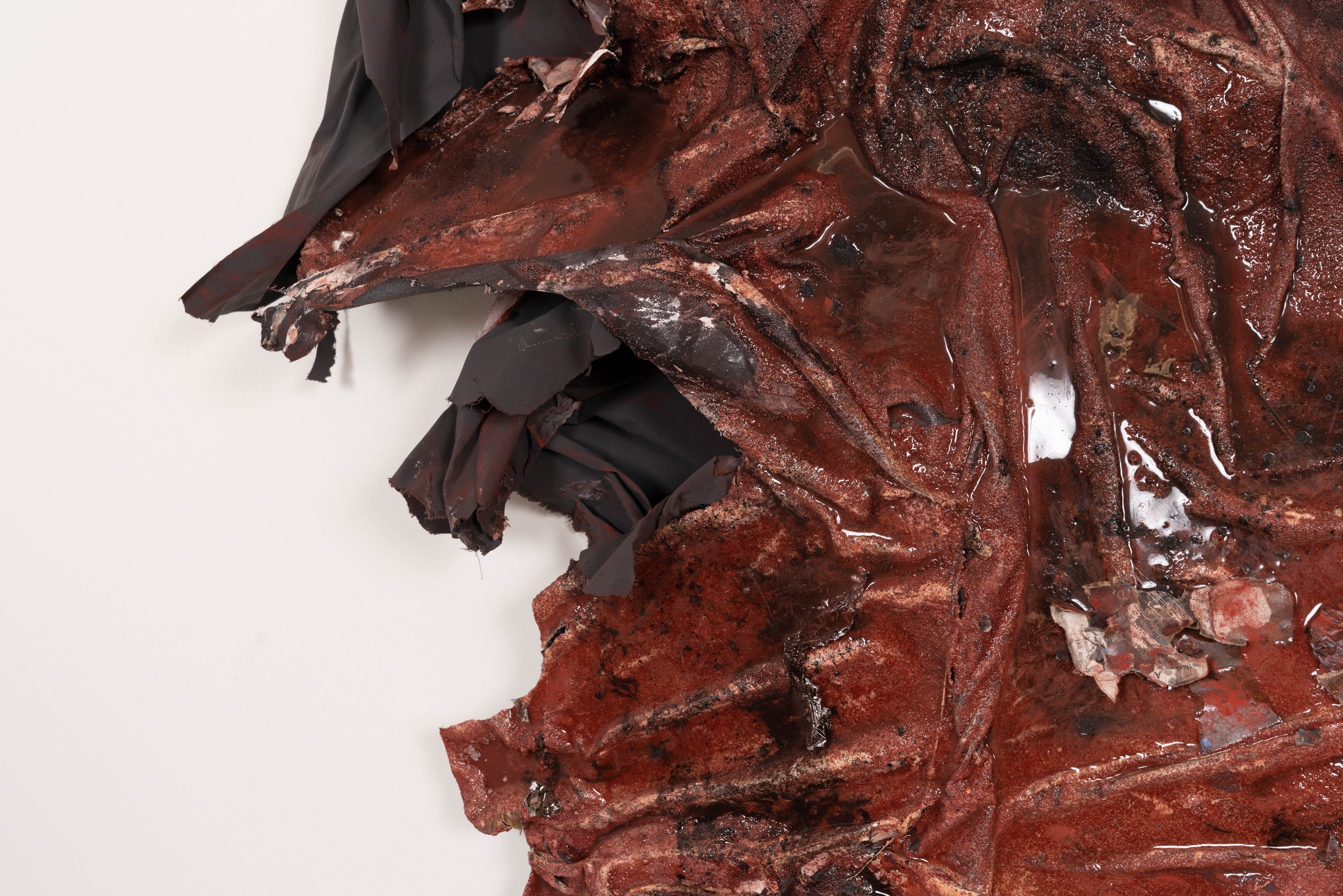
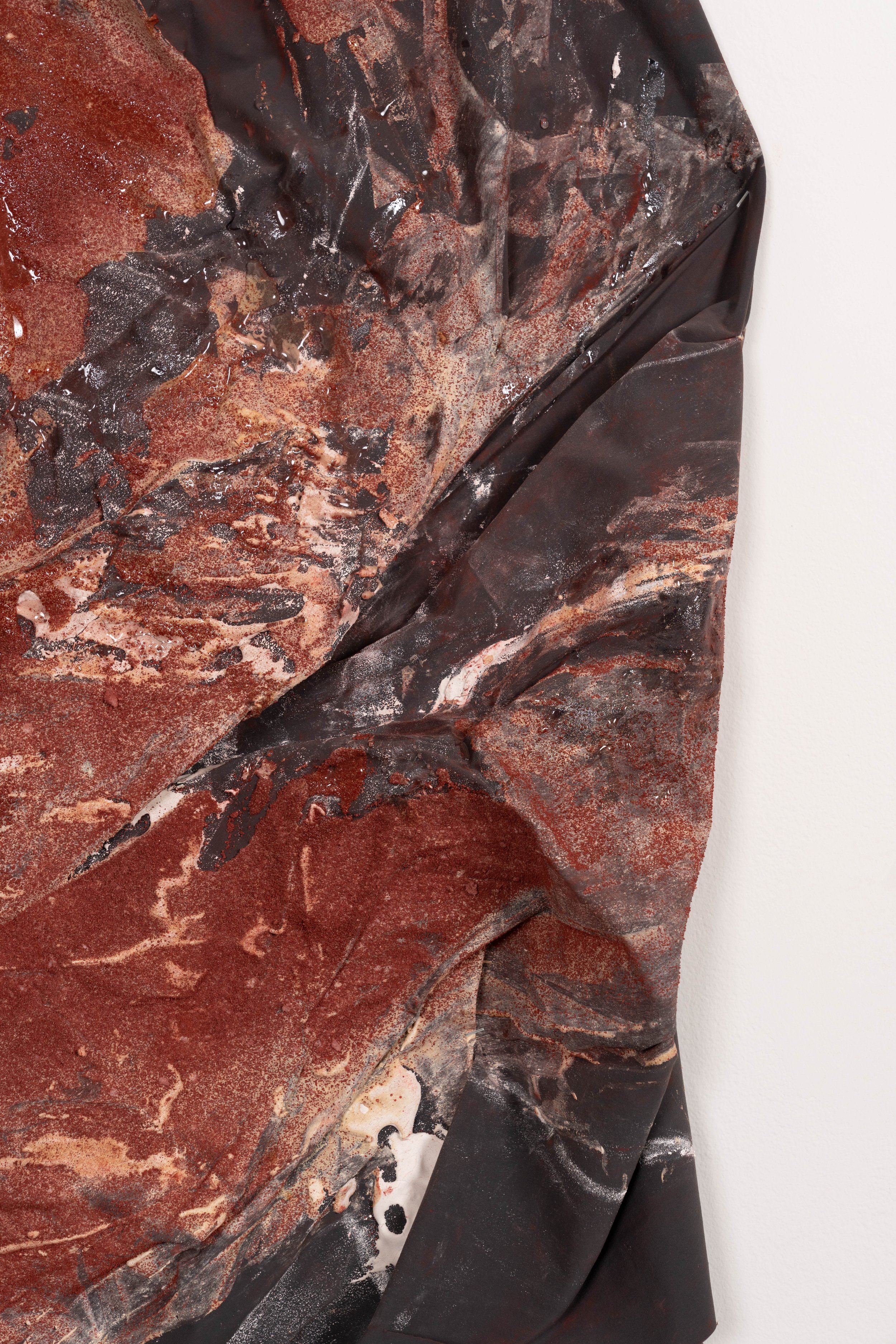
Rather than reproducing the building as image alone, Nasser’s works proceed through contact: rubbings, imprints, and transfers taken directly from the site. This method foregrounds touch, friction, and indexical encounter, allowing architectural details to emerge as physical residue rather than distant representation. Through these acts, ornamental fragments are re-read as evidence, traces of how authority is built through repetition, citation, and concealment. The extracted surfaces carry both the weight of institutional permanence and the instability of borrowed meaning.
The series also attends to the contradiction between opacity and visibility: a structure designed to conceal internal operations while publicly displaying a carefully curated language of symbolic power. In this way, ornament functions not as decoration but as ideology; an aesthetic technology through which empire, class, and institutional continuity become materially legible.
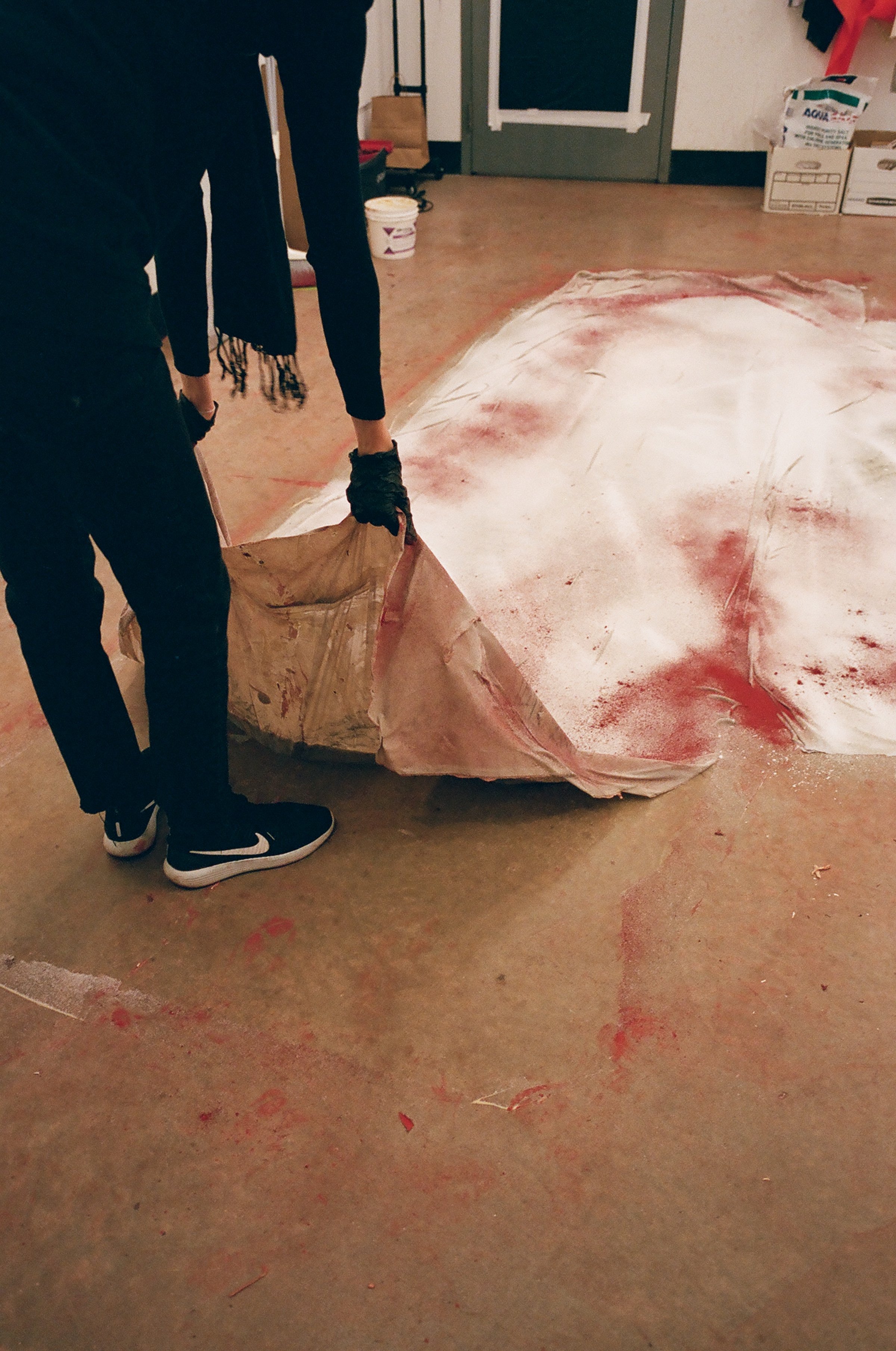
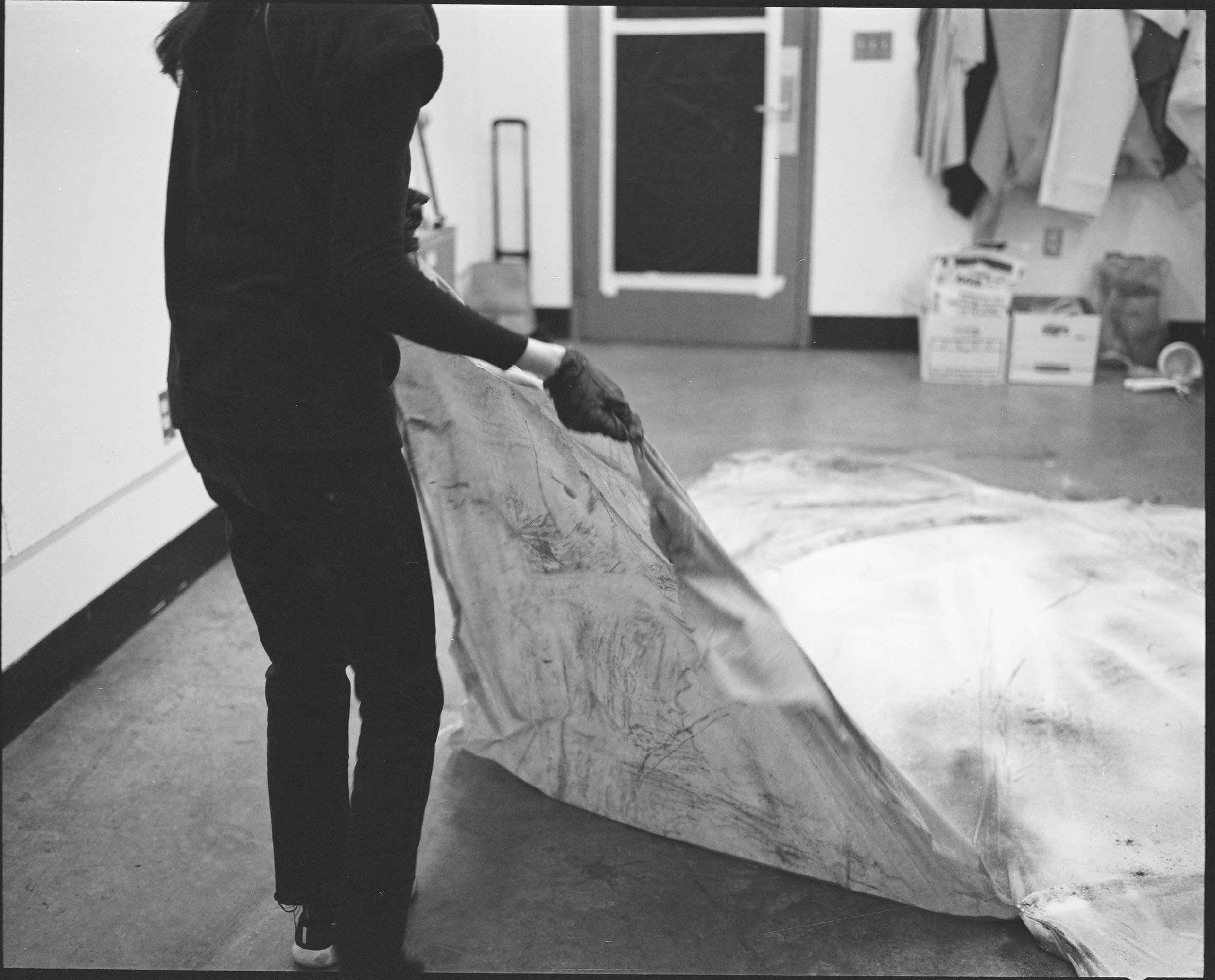
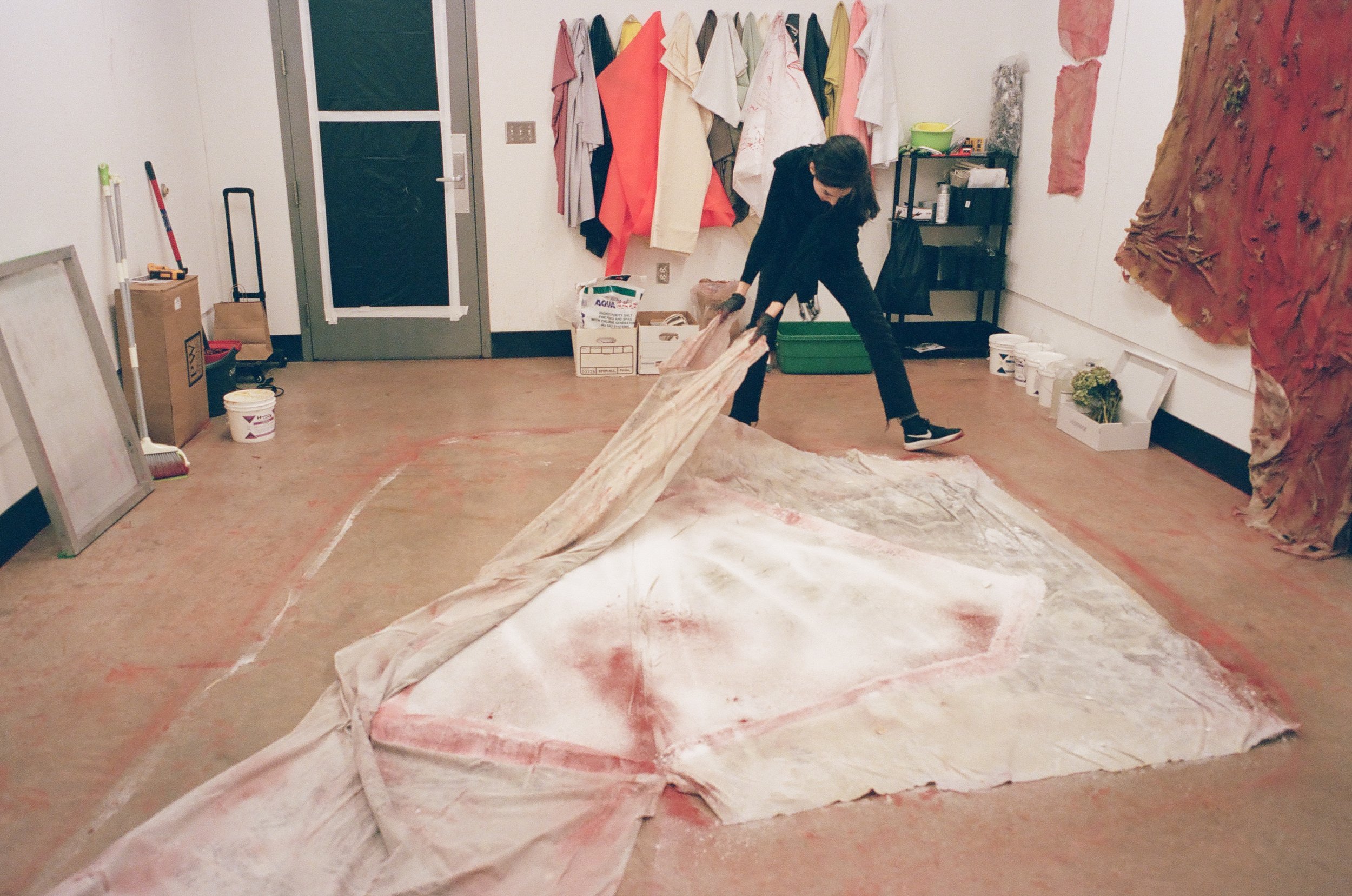
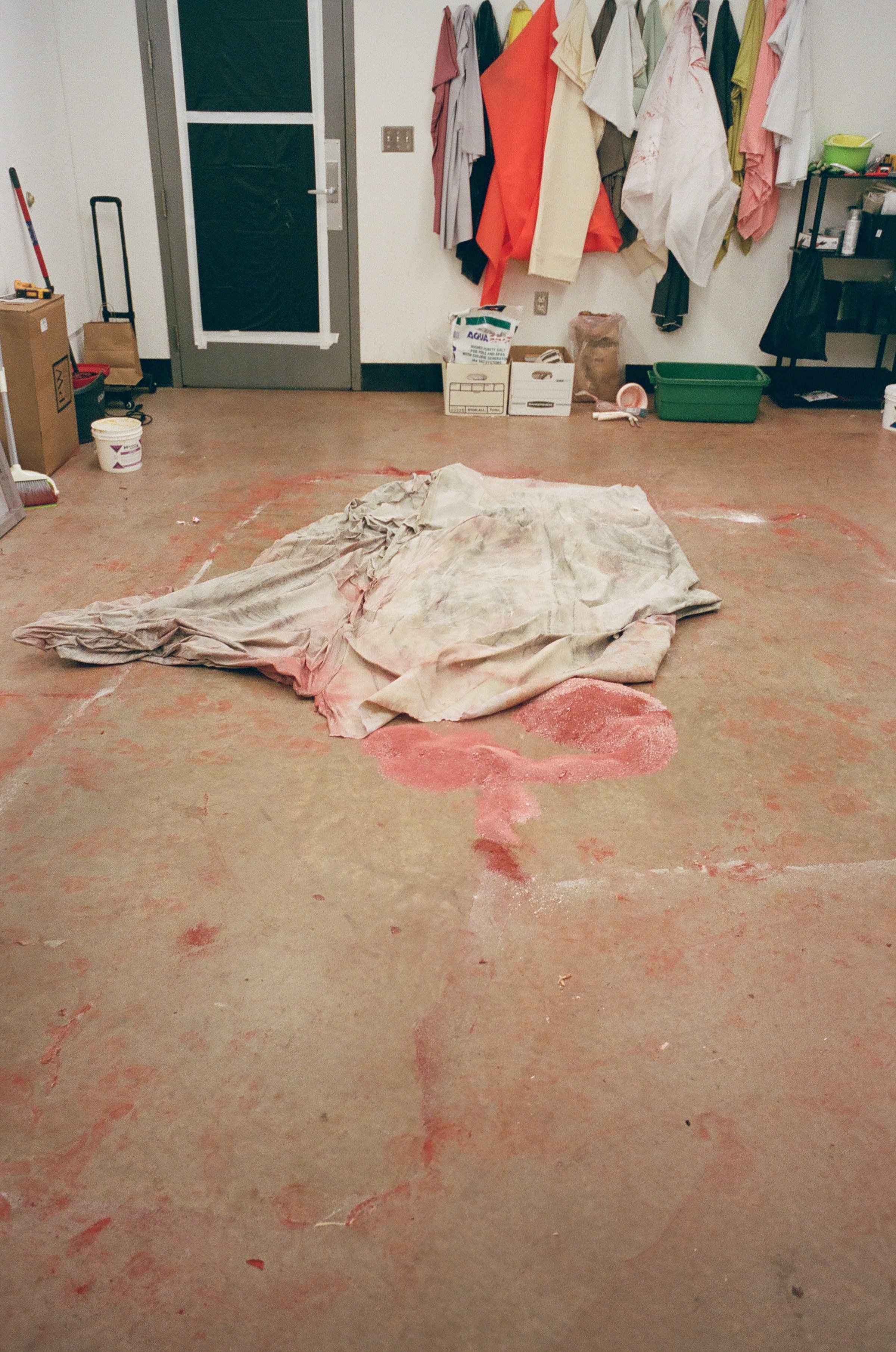
Accompanying the works is the performance and video piece Latex, iron oxide, salt, and ash, staged at Yale School of Art. Extending the concerns of the series into bodily and temporal space, the performance mobilizes unstable materials, latex, iron oxide, salt, and ash, to evoke processes of corrosion, preservation, residue, and transformation. These substances suggest both industrial extraction and ritual aftermath, linking the body to architectural memory and institutional sediment. As in the rubbings, material becomes a carrier of historical pressure: something that records contact while also marking erosion.
Nasser proposes that the architecture of authority is never neutral. It is assembled through acts of borrowing, displacement, and repetition that reveal how national and institutional identities are built upon selective histories, often concealed beneath surfaces of permanence and prestige.
Images of artworks by Nabil Harb
Images of performance documented by Kyna Patel